.png)
How We Design Reptile Enclosures to Mimic Natural Habitats
At Mystik Café, every enclosure is designed to reflect the natural environment reptiles evolved in. Here’s how lighting, temperature, and habitat design help them thrive.
How We Design Enclosures to Mimic Natural Habitats
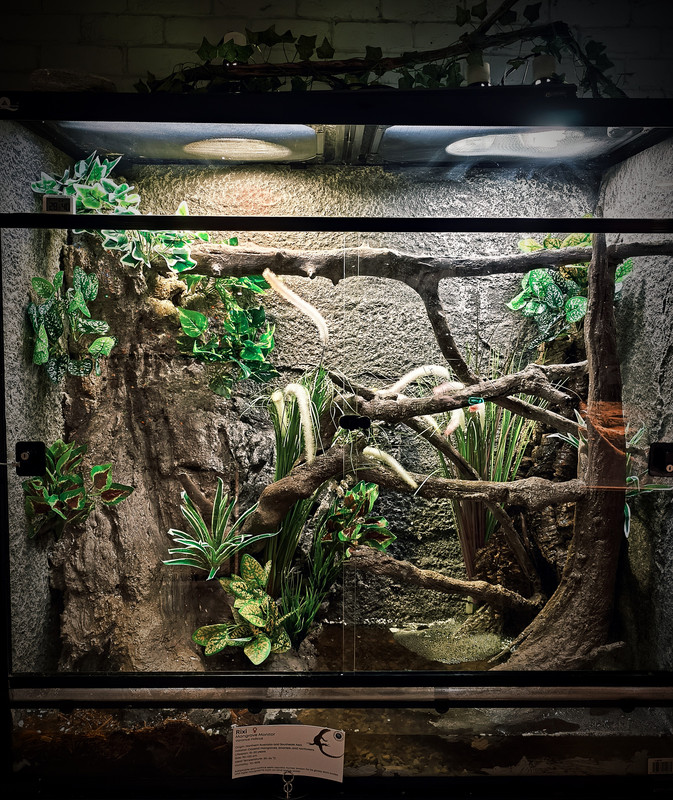
When people visit Mystik Café for the first time, they often notice the lighting, the plants, and the textures inside the reptile enclosures. Some tanks resemble rocky deserts, others feel like miniature jungles. It’s not just decoration — every detail serves a purpose.
At Mystik, our goal is not simply to house animals, but to create environments that reflect the natural conditions these species evolved to live in. Reptiles rely heavily on their surroundings to regulate temperature, find shelter, hunt, and feel secure. A well-designed enclosure allows them to behave naturally and stay healthy.
Creating these environments requires a balance of science, observation, and careful design.
Understanding Where Each Species Comes From
The first step in designing any enclosure is understanding the animal’s natural habitat.
Reptiles come from incredibly diverse ecosystems around the world. Some species live in arid deserts with intense sunlight and dramatic temperature changes. Others inhabit humid rainforests where dense vegetation, high humidity, and filtered light dominate the landscape.
A leopard gecko, for example, evolved in rocky, semi-arid regions with plenty of crevices to hide in during the day. A chameleon, on the other hand, spends most of its life climbing through branches in forest canopies.
Because of these differences, each enclosure at Mystik is built specifically for the needs of the species living inside it.
Creating Temperature Gradients
Unlike mammals, reptiles cannot regulate their body temperature internally. Instead, they rely on their environment.
In the wild, a reptile might move between sunlit rocks, shaded areas, burrows, or tree branches to warm up or cool down. To recreate this in captivity, every enclosure must include what’s called a temperature gradient.
This means one side of the habitat is warmer while another area remains cooler. Specialized basking lights, heat emitters, and carefully positioned hiding spots allow the animal to move between temperatures throughout the day, just as it would in nature.
Without this gradient, reptiles cannot properly digest food, regulate metabolism, or maintain healthy immune systems.
Lighting That Replicates Sunlight
Lighting is another essential part of reptile care.
Many reptiles require UVB lighting, which mimics the ultraviolet rays of natural sunlight. UVB allows reptiles to produce vitamin D3, which helps them absorb calcium and maintain healthy bones.
Without proper UVB exposure, reptiles can develop serious health conditions such as metabolic bone disease.
At Mystik, lighting systems are chosen based on the species’ natural sun exposure. Desert reptiles often require stronger lighting and more intense basking spots, while forest species benefit from softer, filtered light that mimics sunlight passing through leaves.
Humidity and Environmental Balance
Humidity plays a major role in reptile health as well.
Some species require dry, arid environments with minimal moisture, while others thrive in tropical humidity levels that help them shed their skin properly and maintain respiratory health.
Maintaining the right humidity often involves carefully balancing airflow, water sources, misting systems, and substrate materials. Live plants, moss, and natural wood can also help stabilize humidity levels while creating a more natural-looking habitat.
The goal is always to recreate the environmental balance these animals would experience in the wild.
Enrichment and Natural Behavior
A naturalistic enclosure is not just about temperature and lighting — it also supports behavior.
Branches allow climbing species to explore vertically. Rocks provide basking platforms. Hiding areas offer security when animals want privacy. Textured surfaces allow reptiles to shed properly and move comfortably.
Even small design choices can influence how confident and active an animal feels in its environment.
When reptiles have access to structures that encourage natural behaviors, they tend to display more curiosity, healthier movement, and reduced stress.
Observation and Continuous Care
Designing an enclosure does not end once it is built. Reptile care is an ongoing process of observation and adjustment.
Temperature levels are monitored daily. Lighting schedules are maintained carefully. Humidity and environmental conditions are regularly checked. If an animal shows signs of discomfort or changes in behavior, adjustments are made to improve its habitat.
Each reptile is an individual, and their environment must support their specific needs.
Why It Matters
For many visitors, seeing reptiles up close can change the way they think about these animals. When people observe them in thoughtfully designed habitats — climbing, basking, exploring, or resting — it becomes easier to appreciate their complexity.
These animals are not decorations. They are living creatures with very specific environmental needs.
At Mystik Café, creating habitats that reflect the natural world is one of the most important parts of caring for the animals who live here. It allows them to thrive while giving guests the opportunity to observe reptiles behaving naturally.
Sometimes the best way to understand an animal is simply to watch it in a space that feels like home.